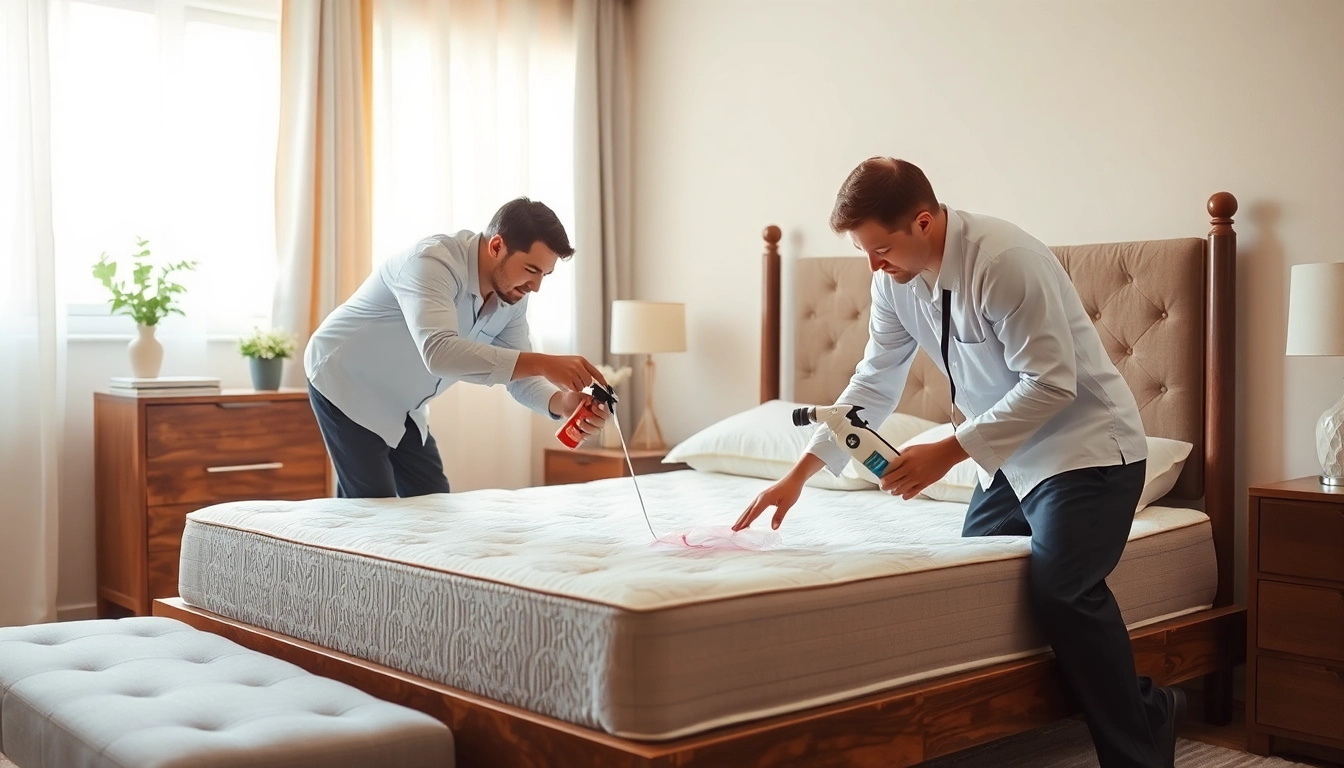
Understanding Bed Bugs: The Basics of Infestations
What are Bed Bugs?
Bed bugs are small, reddish-brown insects that feed on the blood of humans and animals. They are about the size of an apple seed and are nocturnal, meaning they are most active at night. Their flat bodies allow them to hide easily in cracks and crevices, making them difficult to spot. Understanding their biology and behavior is crucial in combating infestations effectively.
Signs of Infestation
Identifying a bed bug infestation early can save you hours of discomfort and potential expenses in treatment. Common signs include:
- Bites on the skin, often in clusters or straight lines.
- Rusty or reddish stains on sheets or mattresses, caused by crushed bugs.
- Dark spots (bed bug excrement) on bedding, walls, or floors.
- Eggs or egg shells in areas where they hide.
- Heard or seen in cracks of furniture, under beds, or along baseboards.
Health Risks Associated with Bed Bugs
While bed bugs are not known to transmit diseases, their bites can result in itching, allergic reactions, and secondary infections from scratching. Psychological effects such as insomnia, anxiety, and decreased quality of life can stem from persistent infestations, highlighting the importance of prompt bed bug treatment.
Bed Bug Treatment Options: Assessing Your Needs
DIY Bed Bug Treatment Methods
Many homeowners consider do-it-yourself approaches to bed bug treatment before calling professionals. These methods can include:
- Quarantining Infested Items: Seal infested items in bags for several months.
- Washing and Drying: Hot water washing and drying on high heat can kill bed bugs and their eggs.
- Vacuuming: Regular vacuuming can help reduce bed bug populations, especially in seams of mattresses and furniture.
- Pesticides: If used, ensure they are specifically labeled for bed bugs and follow safety guidelines.
Professional Bed Bug Treatment Services
When infestations are severe, professional extermination might be necessary. Professionals typically offer:
- Heat Treatment: This involves raising the temperature of an infested room to a level that is lethal to bed bugs.
- Pesticide Application: Targeted use of pesticides, often in a combination approach for effectiveness.
- Inspection Services: Experts can accurately diagnose the level of infestation and identify hiding spots.
Natural Remedies for Bed Bug Treatment
For those interested in organic approaches, certain natural products might help. Options include:
- Essential Oils: Oils like tea tree or lavender can be used in a spray form; however, their efficacy may vary.
- Diatomaceous Earth: This powder can damage the bed bug's exoskeleton, leading to dehydration.
- Heat from Steamers: Steaming furniture, mattresses, and other infested places is a non-chemical method that can be effective.
Steps to Prepare for Bed Bug Treatment
Cleaning and Decluttering Your Home
Preparation is key to successful bed bug treatment. Begin by decluttering your living space to reduce hiding spots for bed bugs. Wash bedding, curtains, and clothing in hot water, and vacuum thoroughly throughout your home, focusing on potential hiding spots.
What to Expect During Professional Treatment
During treatment, you might need to vacate the premises. Professionals will conduct a thorough inspection and may utilize a combination of heat treatment and chemical applications. They will also provide instructions on how to prepare your home for their arrival.
Post-Treatment Guidelines
After treatment, it’s crucial to continue monitoring your premises. Follow the exterminator's recommendations for cleaning and inspection. Avoid reintroducing bed bugs by being cautious with items that could harbor pests.
Common Mistakes to Avoid in Bed Bug Treatment
Misunderstanding Treatment Timing
Some individuals may assume that a single treatment will eradicate bed bugs. However, due to their life cycle, multiple treatments are often required. It’s essential to discuss a follow-up plan with your pest control provider.
Overlooking Personal Items and Clothing
Failing to treat personal belongings can lead to re-infestation. It’s crucial to wash or heat treat clothing and fabrics before bringing them back into treated areas.
Skipping Preventative Measures
After treatment, implementing preventative measures is vital to safeguard against future infestations. Regularly inspect your home, reduce clutter, and be cautious when travelling or purchasing second-hand furniture.
Frequently Asked Questions About Bed Bug Treatment
How do you get rid of bed bugs quickly?
Quickly getting rid of bed bugs involves intense cleaning, vacuuming, washing linens, and utilizing heat or pesticides effectively. However, comprehensive treatment is usually necessary.
What are the costs associated with bed bug treatment?
The cost can vary widely, ranging from DIY methods that are inexpensive to professional services, which might be several hundred dollars, depending on severity.
Are there home remedies for bed bug treatment?
Yes, several home remedies exist, such as using diatomaceous earth and certain essential oils. However, their effectiveness can vary significantly.
How long does bed bug treatment take to work?
Treatment effectiveness can take a few weeks to manifest, depending on the severity of the infestation and the treatment method used.
What can I do to prevent future infestations?
To prevent future infestations, conduct regular inspections, reduce clutter, be cautious with second-hand purchases, and utilize mattress encasements.