Understanding Solar System Repair
What is Solar System Repair?
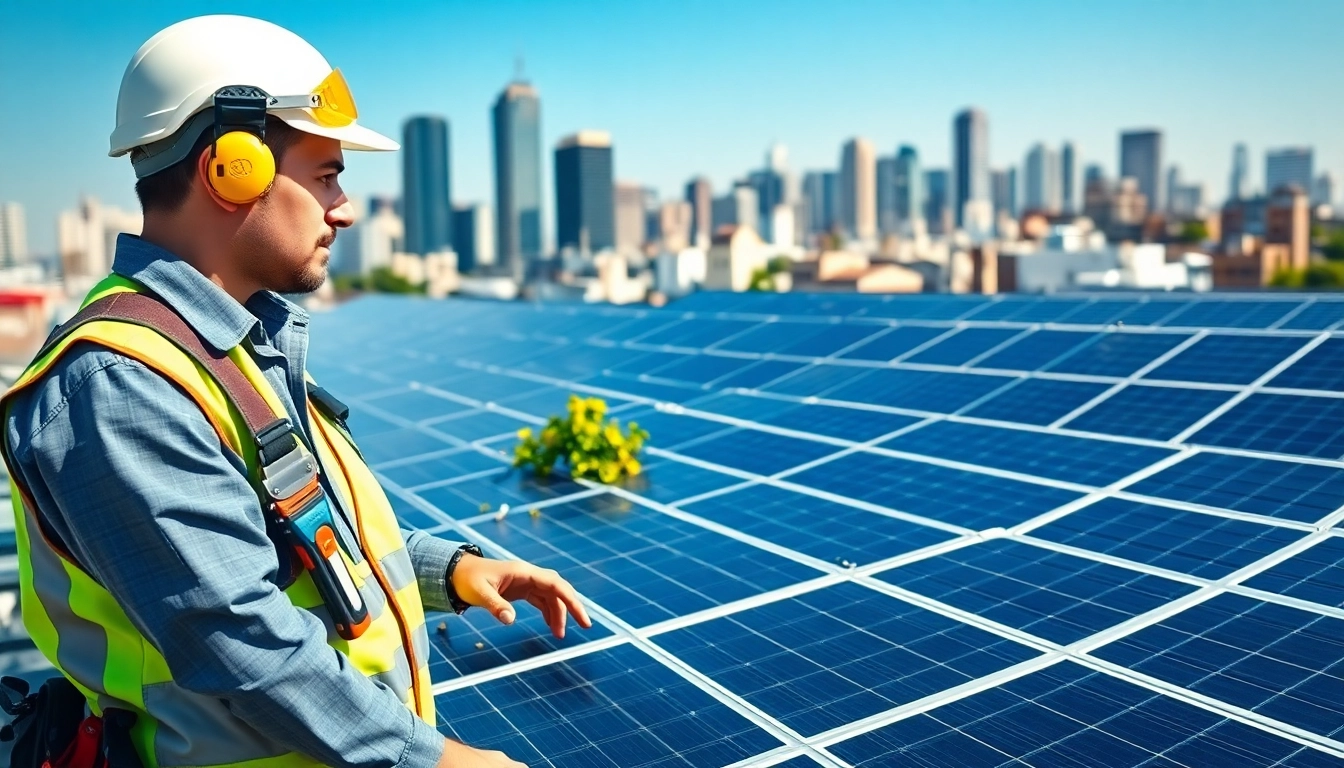
Solar system repair encompasses the diagnosis, maintenance, and restoration of solar energy systems to ensure their optimum functionality. When a solar system, whether residential or commercial, experiences issues, professional repair services step in to assess and rectify faults in components like solar panels, inverters, and batteries. Regular maintenance can extend the life of your system and maximize energy production, while solar system repair addresses more significant issues that arise over time.
Common Issues with Solar Systems
Several issues can affect the performance of solar systems, including:
- Faulty Wiring: Damaged or outdated wiring can hinder energy flow, reducing the system's efficiency.
- Panel Damage: Solar panels can suffer from physical damage such as cracks or scratches, impacting their absorption of sunlight.
- Inverter Issues: The inverter converts solar energy into usable electricity. If it fails, the entire system can malfunction.
- Battery Problems: Batteries are critical for systems that store energy. Common problems include degradation or improper charging.
Importance of Professional Repair Services
Opting for professional repair services is crucial for several reasons:
- Expertise: Professional technicians come with training and experience to quickly identify and fix complex issues.
- Safety: Working with electrical systems can be dangerous; professionals follow safety protocols to mitigate risks.
- Efficiency: Timely repairs ensure that the solar system operates at peak performance, potentially lowering energy bills.
Identifying Solar Repair Problems
Signs Your Solar System Needs Repair
Being proactive in identifying solar system issues can save time and money.
- Drop in energy output compared to prior months.
- Visible damage on solar panels.
- Unusual noises coming from the inverter or system areas.
- Warning lights or errors displayed on the inverter screen.
Diagnosing Issues with Solar Panels
To diagnose issues with solar panels, follow these steps:
- Conduct a visual inspection for cracks, dirt, or shading that may impact performance.
- Use a multimeter to check voltage output against manufacturer specifications.
- Monitor performance data against expected outputs via system tracking tools.
Evaluating Inverter Performance
The inverter is a key component of your solar system. Monitoring its performance includes:
- Checking the inverter's display panel for error codes.
- Ensuring that it is properly connected and showing signs of energy conversion.
- Using diagnostic software for detailed assessments if available.
Steps to Perform Solar System Repair
Initial Assessment of Solar System
The repair process begins with a thorough assessment, which encompasses:
- Reviewing system performance history for patterns of issues.
- Executing visual inspections of panels, inverters, and connections.
- Using diagnostic tools to measure electrical output and component functionality.
Tools Needed for Solar System Repair
Essential tools include:
- Multimeter for electrical testing.
- Wrenches and screwdrivers for physical repairs.
- Personal protective equipment (PPE) for safety.
- Diagnostic software for in-depth system analysis.
Safety Precautions during Solar Repair
Safety must be a priority during any repair work:
- Always wear PPE including gloves and goggles.
- Ensure all power sources are shut down before beginning repairs.
- Work with a partner when handling large panels or equipment to avoid accidents.
Benefits of Regular Solar System Maintenance
Extending the Lifespan of Your Solar System
Regular maintenance can add several years to the lifespan of solar panels and related components. Scheduled checks allow professionals to spot and remedy minor issues before they escalate into major problems, ensuring durability and continuity in energy production.
Cost-Effectiveness of Regular Maintenance
Investing in regular maintenance ultimately saves money. Well-maintained systems operate more efficiently, which can lower electricity costs. Additionally, preventative measures reduce the risk of expensive repairs down the line.
Improving Energy Efficiency
Maintenance ensures that solar systems operate at peak efficiency. Regular cleaning and servicing keep panels free from debris and functioning to their expected output, maximizing the energy harvested from sunlight.
Frequently Asked Questions about Solar System Repair
Can all solar system issues be repaired?
Yes, many issues can be repaired, especially minor problems like wiring or inverter faults. A qualified technician can assess and provide solutions.
How do I know if I need solar system repair?
Look for signs like decreased energy output, visible panel damage, or error messages from inverters. These indicate a potential need for repairs.
What is the average cost of solar system repair?
The cost varies significantly based on the issue's complexity; it can range from minor repairs costing a few hundred dollars to more extensive system issues requiring several thousand dollars.
Do I need a professional for solar system repair?
While some minor issues can be handled by homeowners, most repairs should be performed by professionals to ensure safety and effective resolution.
How often should I maintain my solar system?
It is advisable to conduct maintenance at least once or twice a year, depending on your local climate and specific system use.