Understanding Retail Video Analytics
In today's competitive retail landscape, data has become the new currency. Among the myriad of data-driven solutions available, retail video analytics stands out as a tool that allows businesses to harness visual information effectively. By analyzing video footage captured in-store, retailers can glean insights into customer behavior, optimize operations, and drive sales. This article delves deep into what retail video analytics entails, its key components, how it operates, and the benefits it provides to retail establishments.
What is Retail Video Analytics?
Retail video analytics refers to the use of artificial intelligence (AI) and machine learning algorithms to analyze video footage captured from in-store cameras. Unlike traditional surveillance systems, which merely record events, retail video analytics processes video data in real-time to extract meaningful insights. This information can be used to improve customer experiences, enhance store layouts, and enable data-driven decision-making.
Key Components of Retail Video Analytics
Several key components work together to make retail video analytics effective:
- Video Management Software (VMS): This software captures and stores video footage from surveillance cameras, allowing for seamless retrieval and analysis.
- Artificial Intelligence: AI algorithms analyze patterns in video data, detecting customer movements and behaviors.
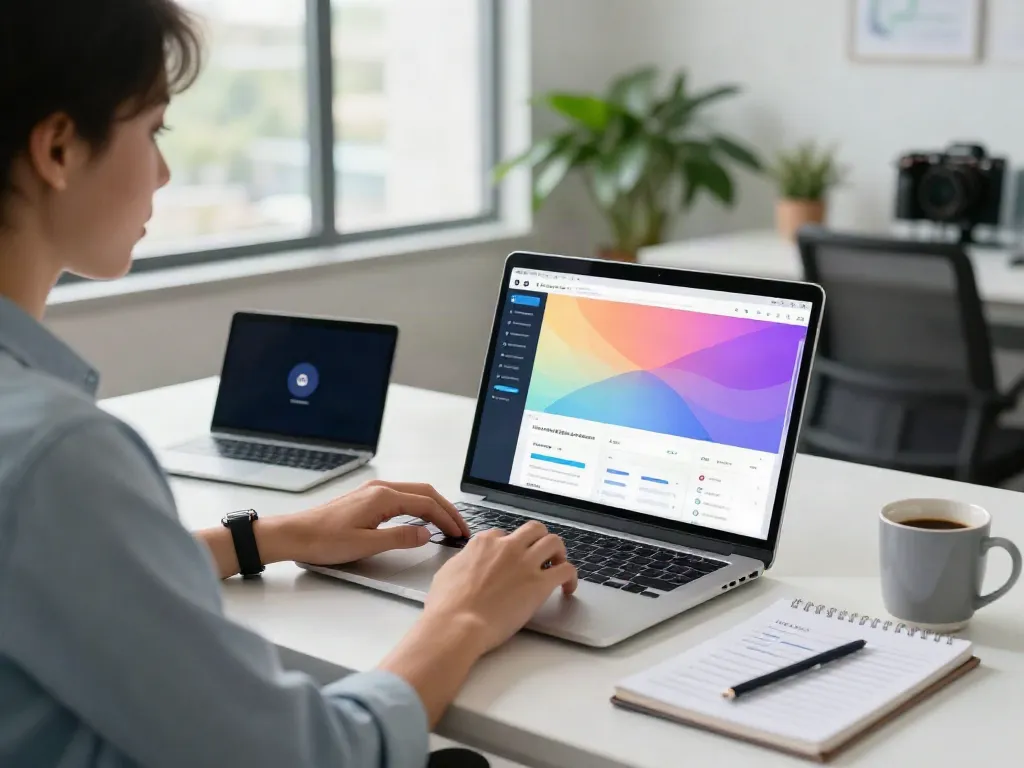
- Analytics Dashboards: User-friendly interfaces that present insights gathered from video footage in an easily digestible format, often featuring graphs and charts.
- Integration Capabilities: The ability to combine video data with other retail systems, such as point-of-sale (POS) systems, to create a comprehensive view of customer interactions.
How Retail Video Analytics Works
The mechanics behind retail video analytics involve several steps:
- Data Capture: Cameras strategically placed throughout the store capture continuous video footage.
- Data Processing: The captured footage is processed through VMS and analyzed using AI-driven algorithms. This allows systems to identify customer behaviors, foot traffic patterns, and even demographic information.
- Insights Generation: The system generates actionable insights based on the analysis, which are then displayed on dashboards for retailer review.
- Implementation of Findings: Retailers can apply the insights gleaned from the data to make informed decisions regarding staffing, inventory placement, and promotional strategies.
Benefits of Implementing Retail Video Analytics
Integrating retail video analytics into business operations offers numerous advantages that can significantly impact a retailer's performance.
Improving Customer Experience with Retail Video Analytics
Understanding customer behavior is essential to enhancing their shopping experience. Retail video analytics provides valuable insights into how customers navigate physical spaces, allowing retailers to tailor store layouts, product placements, and check-out processes to meet their needs. For instance, identifying crowded areas can lead to better staffing during peak hours, resulting in quicker service and improved customer satisfaction.
Boosting Sales through Data Insights
By analyzing customer interactions with products, retailers can determine which items are attracting the most attention. This data can drive strategic promotional efforts, such as targeted discounts on high-traffic items or adjustments in marketing campaigns based on customer preferences. Moreover, understanding customer dwell time in specific areas can lead to optimizing product displays and increasing conversion rates.
Operational Efficiency and Cost Reduction
Effective use of retail video analytics can streamline operations significantly. Retailers can monitor staffing levels, ensuring that they are neither overstaffed nor understaffed at any given time. By identifying inefficiencies and areas of waste, such as checkout bottlenecks or underperforming layouts, businesses can implement improvements that not only enhance the customer experience but also drive cost savings.
Challenges in Retail Video Analytics Adoption
While the benefits of retail video analytics are clear, several challenges might hinder its adoption. Understanding these hurdles can provide insights into how to mitigate them effectively.
Technical Integration of Retail Video Analytics
Integrating retail video analytics with existing infrastructure can be daunting. Retailers often use various systems for different operational needs, and ensuring these systems communicate effectively is crucial for the success of video analytics initiatives. Selecting compatible technology and investing in integration services can alleviate such issues.
Data Privacy Concerns
With stringent regulations on data privacy, concerns regarding customer surveillance and data security are paramount. Retailers must ensure compliance with regulations while making their customers aware of how their data is being used. Transparency and robust data protection measures can help build customer trust.
Staff Training and Adaptation
Retail staff may require training to effectively utilize the insights provided by retail video analytics. Proper training programs can help employees understand how to interpret data and apply insights to improve their performance and customer interactions.
Best Practices for Retail Video Analytics Utilization
To maximize the potential of retail video analytics, certain best practices should be followed.
Choosing the Right Tools for Retail Video Analytics
Selecting the right technology is critical. Retailers should seek tools that offer scalability, flexibility, and integration capabilities with existing systems. Cloud-based solutions can simplify data sharing and processing, while tailored analytics software can provide deeper insights specific to the retailer's needs.
Regularly Updating and Validating Data
To ensure the effectiveness of retail video analytics, businesses should regularly review and update their data settings. This can involve recalibrating algorithms and ensuring that the data collected remains relevant to current consumer behavior and market trends.
Leveraging Customer Feedback
Incorporating feedback from customers can provide additional context to the footage analyzed. Establishing pathways for customers to share their experiences can enhance the insights gained from video analytics, helping retailers adapt in real-time to changing preferences.
Case Studies: Successful Retail Video Analytics Implementations
Real-world applications of retail video analytics underscore its potential in enhancing retail operations and business performance.
Retail Video Analytics in Action
Many retailers have successfully implemented video analytics systems to gather insights that improve customer service and operational performance. For instance, some retailers analyzed customer flow to adjust store layouts, resulting in increased sales and improved customer satisfaction.
Measuring Success with Retail Video Analytics
Success metrics from retail video analytics can include increased sales, improved foot traffic, and enhanced customer engagement scores. By establishing clear objectives and tracking performance pre- and post-implementation, retailers can measure the impact of their analytics initiatives.
Future Trends in Retail Video Analytics
The future of retail video analytics is poised for growth as technology continues to evolve. Emerging trends may include the integration of augmented reality (AR) to create immersive shopping experiences and the use of enhanced AI capabilities to predict customer behavior before they even enter the store. Maintaining an eye on these trends will help retailers stay ahead of the competition.
Frequently Asked Questions
1. What are retail video analytics?
Retail video analytics is a technology that uses AI and machine learning to analyze video footage from in-store cameras for insights into customer behavior and operational efficiency.
2. How can retail video analytics improve customer experience?
By assessing customer movement and preferences, retailers can optimize store layouts, manage staffing levels better, and enhance overall shopping experiences.
3. What are the main components of retail video analytics?
The main components include video management software, AI analysis tools, analytics dashboards, and integration capabilities with other retail systems.
4. What challenges might retailers face in adopting video analytics?
Challenges include technical integration with existing systems, data privacy concerns, and the need for adequate staff training and adaptation to new technologies.
5. What best practices should retailers follow when utilizing video analytics?
Best practices include choosing the right technology tools, regularly updating data, and leveraging customer feedback to enhance insights collected.