Understanding Containerized Wastewater Treatment Systems
Containerized wastewater treatment systems are revolutionizing the way industries and municipalities manage their water treatment needs. These systems provide fully integrated, pre-engineered solutions tailored to a broad spectrum of challenges, ranging from domestic sewage to intricate industrial effluent. Designed for rapid deployment and operational flexibility, they adhere to environmental standards while maintaining a compact, transportable footprint. For organizations seeking efficient and reliable water treatment solutions, the containerized wastewater treatment offers a versatile and effective approach.
What is Containerized Wastewater Treatment?
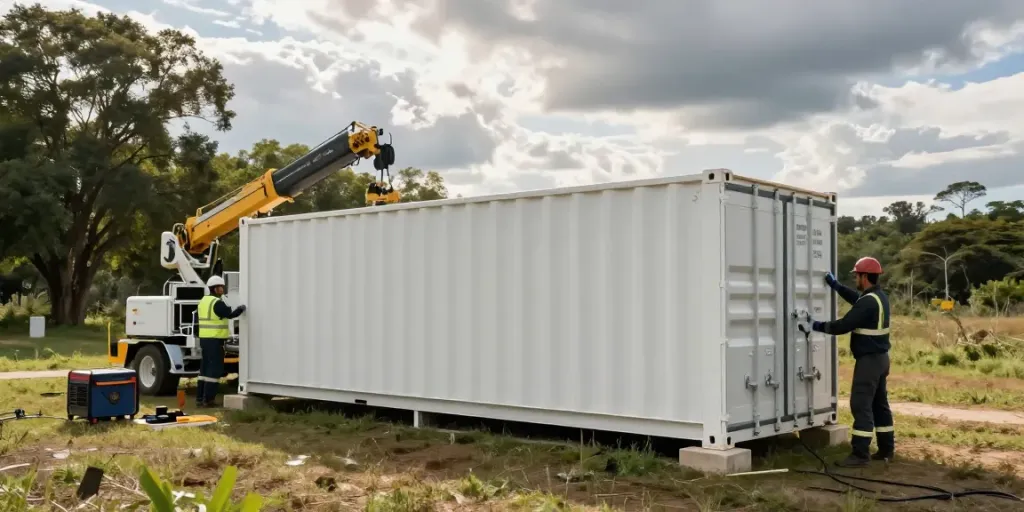
Containerized wastewater treatment refers to the process of treating wastewater within modular units built into standard shipping containers. These systems can be deployed quickly and efficiently to various locations, making them ideal for applications where traditional wastewater treatment infrastructure is impractical or impossible. The design not only allows for easy transportation but also enables rapid installation, often within a few days, significantly reducing downtime for operations.
Key Components and Features
Containerized systems typically encompass several key components that enhance their utility:
- Modular Design: Built within standard 20- or 40-foot shipping containers, these units can be combined and scaled according to treatment needs.
- Pre-Engineered Systems: Each system comes pre-assembled with essential components, including reactors, clarifiers, and filtration systems, ready for immediate use.
- Environmental Compliance: Systems are designed to meet stringent environmental regulations, ensuring effluent meets local discharge standards.
- Remote Monitoring: Many containerized systems feature IoT connections for remote monitoring and management, enhancing operational efficiency.
Why Modular Design Matters
The modular design of containerized wastewater treatment systems is not just a matter of convenience; it also plays a crucial role in their adaptability to various needs. These systems can be easily scaled up or down based on the volume and type of wastewater being treated. This flexibility ensures that industries can effectively manage fluctuating water treatment demands without significant capital investment in fixed infrastructure.
Benefits of Containerized Systems
Rapid Deployment and Flexibility
One of the primary advantages of containerized wastewater treatment systems is their speed of deployment. Traditional wastewater treatment facilities can take months or even years to design and construct. In contrast, containerized systems can be operational within days, requiring only a flatbed truck, a crane, and minimal onsite preparation. This rapid setup is invaluable during emergency situations or in remote locations where quick action is necessary.
Cost-Effectiveness and Efficiency
Containerized systems are not only quick to deploy, but they also offer cost advantages. By utilizing pre-engineered systems, organizations can significantly reduce labor and material costs associated with building traditional treatment plants. Moreover, the improved efficiency of these systems means lower operational costs over time, making containerized wastewater treatment an economically sound choice for many businesses.
Compliance with Environmental Standards
With increasing global focus on environmental sustainability, compliance with local and international wastewater discharge regulations is paramount. Containerized wastewater treatment systems are engineered to meet or exceed these standards, providing peace of mind for organizations concerned about their environmental impact. This compliance reduces the risk of fines and sanctions, further enhancing the financial viability of these systems.
Applications in Various Industries
Domestic Wastewater Management
Containerized wastewater treatment systems are highly effective in managing domestic sewage, especially in small communities or temporary settlements. These solutions can treat wastewater on-site, reducing the need for extensive sewer infrastructure and minimizing transport costs. Their compact design allows them to be installed in locations where space is limited, making them an ideal choice for rural or developing regions.
Industrial Effluent Treatment
Industries such as food processing, pharmaceuticals, and manufacturing often produce complex wastewater streams that require specialized treatment processes. Containerized systems can be tailored to handle specific effluent characteristics, providing a flexible solution for industrial applications. By efficiently treating wastewater directly at the source, industries can reduce their environmental footprint and adhere to regulatory requirements more effectively.
Emergency and Disaster Response Solutions
In times of natural disasters or humanitarian crises, the need for efficient and reliable wastewater treatment is critical. Containerized systems can be deployed rapidly to affected areas, offering immediate assistance in managing waste and preventing health hazards. Their mobility and quick setup capabilities make them indispensable for emergency response teams around the world.
Challenges and Considerations
Common Misconceptions About Containerized Systems
Despite their advantages, there are several misconceptions surrounding containerized wastewater treatment systems. Some individuals may perceive them as less effective than traditional systems due to their smaller size or modular design. However, these systems utilize advanced treatment technologies that can achieve effluent quality that meets or exceeds environmental standards. Understanding the capabilities and performance of these innovative solutions is essential for decision-makers in the industry.
Maintenance and Operational Best Practices
Like any wastewater treatment technology, containerized systems require regular maintenance to ensure optimal performance. Operational best practices include routine inspections, maintenance of pumps and valves, and monitoring of chemical dosing systems. Additionally, staff should be trained in troubleshooting and emergency response protocols to address potential issues promptly, minimizing downtime and ensuring compliance with regulations.
Future Trends and Innovations in Wastewater Solutions
The future of containerized wastewater treatment is bright, with ongoing innovations enhancing their efficiency and effectiveness. Trends such as the integration of artificial intelligence for process optimization, advancements in membrane technology for more effective filtration, and improvements in energy recovery systems are all paving the way for more sustainable treatment solutions. As environmental regulations become increasingly stringent, containerized systems will likely play a pivotal role in meeting these challenges head-on.
Conclusion and Future Outlook
Evaluating Performance Metrics
To gauge the effectiveness of containerized wastewater treatment systems, organizations should establish clear performance metrics. Key indicators include effluent quality, operational uptime, maintenance costs, and regulatory compliance. Regularly assessing these metrics will provide valuable insights into the system's performance and inform future investments in wastewater management solutions.
Case Studies and Success Stories
Numerous case studies illustrate the successful implementation of containerized wastewater treatment systems across various sectors. For instance, a mining company in Australia employed a containerized system to treat its wastewater on-site, dramatically reducing its environmental impact while maintaining compliance with local regulations. Such success stories highlight the practical benefits and operational advantages of these systems.
Emerging Technologies and 2026 Predictions
As we look towards 2026, the landscape of wastewater treatment is set to evolve significantly. Emerging technologies, such as decentralized treatment systems, bioreactors, and real-time monitoring solutions, will enhance the performance and adaptability of containerized systems. Stakeholders in the water treatment sector should remain abreast of these advancements to make informed decisions and leverage the benefits of modern wastewater treatment technologies.