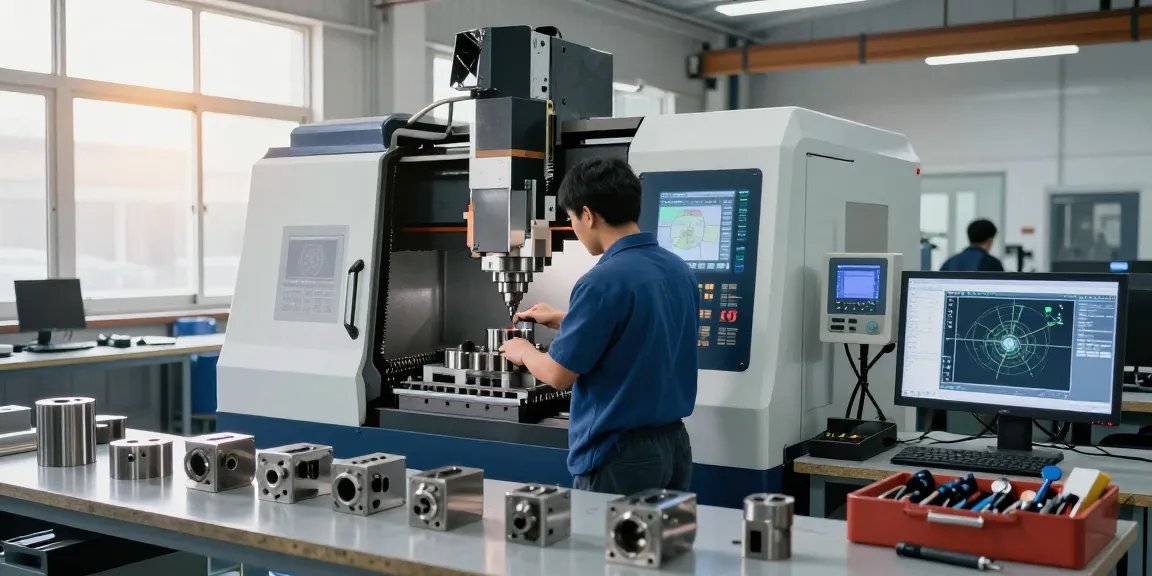
The Canadian Registration Number, often abbreviated as CRN, is a crucial requirement for many businesses involved in the design, manufacturing, and installation of pressure vessels and piping systems in Canada. This number ensures compliance with safety standards as established by the regulatory authorities in each province and territory. As an essential part of ensuring public safety and equipment reliability, understanding the nuances of CRN Registration is vital for businesses operating in this domain.
What is CRN Registration?
Definition and Importance
The CRN is a unique identifier assigned to pressure vessels, piping systems, and other related equipment that have been designed in accordance with approved safety standards. Its primary purpose is to serve as assurance that the equipment's design is safe and meets regulatory requirements before it can be used commercially. Each province's safety authority mandates that these registrations are completed for different types of pressure equipment. Consequently, CRN Registration plays a pivotal role in reducing the risks associated with pressure-related incidents.
Overview of the CRN System
The CRN system was implemented to create a consistent framework across Canada, allowing for standardized safety assessments and registrations. Each piece of equipment requires a separate CRN, and it is regulated by each province's safety authority. This means that if an equipment design meets the requirements in one province, it may still require a different CRN if it is to be used in another province. This provincial autonomy ensures localized safety regulations according to specific needs.
Key Benefits of CRN Registration
- Enhanced Safety: By ensuring that all equipment must meet established safety standards, CRN Registration significantly contributes to reducing accidents.
- Market Access: Registered designs facilitate the legal sale and use of equipment across provinces; this is essential for businesses wanting to expand their market reach.
- Regulatory Compliance: CRN Registration ensures that businesses comply with local regulations, helping them avoid legal challenges and penalties.
- Trust and Credibility: Having a registered CRN boosts trust with clients and stakeholders by demonstrating commitment to safety and standards.
CRN Registration Process Explained
Step-by-Step Application Guide
Registering for a CRN can initially seem overwhelming, but by breaking it down into a systematic process, businesses can ensure compliance efficiently:
- Identify Equipment Design: Determine the specifics of the equipment needing CRN Registration, including applicable codes and standards.
- Prepare Documentation: Gather technical documentation, safety assessments, and design drawings.
- Submit Application: Submit your application to the relevant provincial safety authority, including all the required documentation and fees.
- Inspection and Approval: Depending on the province, an inspection may follow. Once satisfied, the authority will issue a CRN.
- Maintain Records: Keep records of the CRN for ongoing compliance and future inspections or updates.
Required Documentation and Forms
The application process for CRN Registration can require specific documentation, which may include:
- Design specifications and detailed drawings.
- Test results demonstrating compliance with safety standards.
- Quality management plans and inspection protocols.
- Completed application forms specific to the province's safety authority.
The exact documents necessary may vary by province, so consulting the specific safety authority's guidelines is essential to ensure compliance.
Common Mistakes to Avoid
While the process may seem straightforward, there are common pitfalls that can delay CRN Registration:
- Incomplete Documentation: Ensure all required documents are submitted. Missing information can lead to application rejection.
- Incorrect Standards Reference: Different provinces may require adherence to specific standards; referencing the correct ones is crucial.
- Neglecting Follow-up Actions: Stay proactive throughout the review process, including promptly addressing any queries from the safety authority.
Who Needs CRN Registration?
Industries Requiring CRN Compliance
Numerous industries utilize pressure vessels or piping systems and thus require CRN Registration. Some key sectors include:
- Manufacturing: Facilities that produce goods using pressure equipment.
- Energy: Oil and gas companies that require high-pressure systems for extraction and shipping.
- Chemical Processing: Companies that utilize reactors and pressure vessels for chemical production.
- Food and Beverage: Equipment used in processing and preserving food often falls under CRN regulations.
Responsibilities of Registered Entities
Companies that have obtained their CRN must adhere to several responsibilities to maintain compliance, including:
- Regularly inspecting and maintaining equipment to ensure it remains in compliance with safety standards.
- Keeping records of inspections, maintenance, and modifications for accountability.
- Being aware of and responsive to any changes in applicable safety regulations.
The Role of Safety Authorities
Provincial safety authorities are instrumental in the CRN system. Their responsibilities include:
- Evaluating submissions for CRN Registration to ensure compliance with safety regulations.
- Conducting inspections and assessments to verify that the pressure equipment adheres to safety standards.
- Providing guidance and resources to assist businesses in understanding their obligations.
Costs and Timeframes for CRN Registration
Potential Fees Involved
The costs associated with CRN Registration can vary widely depending on the complexity of the equipment and the province in which registration is sought. Typical fees may include:
- Application fees charged by the safety authority.
- Inspection fees if an on-site review is required.
- Fees for necessary modifications or additional testing mandated by regulatory bodies.
Average Processing Time
The duration for processing CRN applications can range from a few weeks to several months. Factors influencing processing times include:
- Completeness of the submitted application.
- Current workload of the provincial safety authority.
- Complexity of the equipment design.
Planning ahead and submitting complete documentation can significantly help in expediting the process.
Budgeting for CRN Registration
Considering the potential fees and the time frame for CRN Registration, businesses should budget appropriately. A rough estimate for registration can range from a few hundred to several thousand dollars, particularly for more complex designs or for companies seeking to register multiple designs simultaneously.
FAQs on CRN Registration
What documents are needed for CRN registration?
Documents typically include design specifications, safety assessments, technical drawings, and the completed application form specific to your province's authority.
How long is the CRN registration valid?
The CRN registration remains valid as long as the design is unchanged and the equipment is maintained per the regulations; however, periodic renewals may be required.
Can I reapply for a revoked CRN?
Yes, you can reapply for a revoked CRN, but you will need to address the reasons for the revocation and ensure compliance with all regulations.
Where to find CRN registration forms?
CRN registration forms can be found directly on the official website of your province’s safety authority or through their administrative offices.
Are there penalties for not registering?
Yes, operating without a valid CRN can lead to fines, equipment shutdowns, and increased liability, making compliance critical for business operation.