Understanding GPU Computing
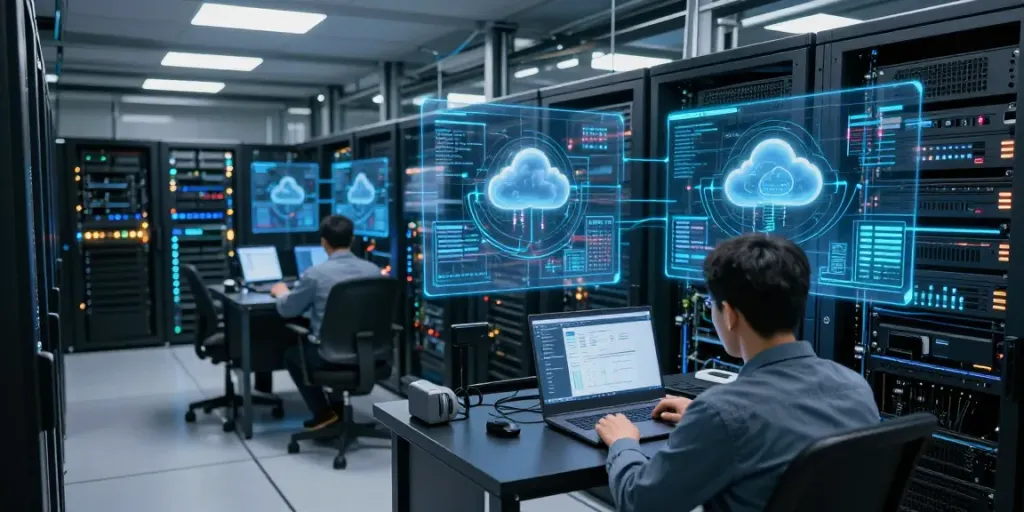
In the realm of high-performance computing, GPU computing has emerged as a transformative technology, enabling advances across various sectors, including artificial intelligence (AI), data analysis, and more. Unlike traditional computing methods that rely heavily on the central processing unit (CPU), GPU computing leverages the parallel processing capabilities of graphics processing units (GPUs), allowing for the execution of multiple operations simultaneously. This feature is particularly valuable in scenarios demanding high computational power, such as AI model training and real-time data processing.
What is GPU Computing?
GPU computing refers to the use of graphics processing units to handle computation-heavy tasks that require parallel processing capabilities. Originally designed for rendering graphics, GPUs excel at performing multiple calculations concurrently, making them indispensable in fields that rely on large data sets and complex algorithms. By distributing tasks across many smaller cores instead of relying solely on a few powerful cores typical of CPUs, GPU computing can significantly reduce the time required to complete intensive workloads.
How GPU Computing Works
At its core, GPU computing harnesses the power of parallelism. Unlike CPUs, which are optimized for sequential task execution, GPUs can handle thousands of threads simultaneously. This architecture is especially beneficial for applications in AI and machine learning, where tasks such as matrix multiplications and tensor operations are common. Each function can be broken down into smaller tasks that the GPU processes simultaneously, leading to substantial performance improvements. For example, during training deep learning models, a GPU can process multiple data points at once, drastically reducing training times.
Advantages over Traditional Computing
- Increased Performance: GPUs are designed for parallel processing, which significantly accelerates workloads, particularly in AI, graphics rendering, and scientific computing.
- Efficiency: By offloading specific tasks from the CPU, GPUs can perform complex calculations with lower energy consumption, making them more efficient in handling massive datasets.
- Scalability: The architecture of GPUs allows for easy scaling of computational resources, which is essential for enterprises needing to adapt to increasing data loads.
- Versatility: GPUs are not just limited to graphics; they can be utilized for a wide range of applications, from rendering computer-generated imagery (CGI) to executing machine learning algorithms.
Why Power is Crucial for AI Token Economy
Powering AI applications efficiently is critical for sustaining the AI Token Economy, which hinges on reliable GPU computing infrastructures. Every AI task—be it training, inference, or deployment—requires substantial computational resources, which in turn mandate a robust power source. Understanding the dynamics between power consumption and AI infrastructure can illuminate how tokenized rewards operate within this economy.
The Role of Power in AI Infrastructure
Power serves as the lifeblood of AI infrastructures, particularly in GPU computing environments. High-performance tasks often necessitate specialized hardware that consumes significant amounts of energy. The availability of power not only influences operational efficacy but also determines the costs associated with running AI workloads. As the demand for AI applications expands, the need for efficient and reliable power sources becomes even more paramount.
Linking Power Resources to AI Computing Needs
Efficiently aligning power resources with computing needs ensures that AI systems can operate at optimal efficiency. This synergy enhances the performance of GPU-based infrastructures and allows enterprises to scale operations without experiencing downtime or resource shortages. Various power plans offer different levels of support tailored to the AI workloads, ensuring seamless integration and operational continuity.
Understanding Power Contribution Rewards
In the AI Token Economy, power contribution is measured and rewarded based on the actual usage and efficiency of the resources provided. Participants who support AI infrastructures via power plans can receive compensation proportional to their contributions. These rewards are calculated using metrics such as energy consumption, operational efficiency, and the volume of AI tasks processed, fostering a sustainable growth model for both providers and participants.
Choosing the Right GPU Computing Plan
As more entities aim to participate in the AI Token Economy, selecting the appropriate GPU computing plan is crucial. Not all power plans are created equal; understanding the nuances can help organizations align their needs with the right resources.
Comparing Different Power Plans
Several power plans offer various levels of access and operational capacity. Users must evaluate their AI workload requirements and select a plan that meets those needs. Plans may range from basic offerings that provide minimal support to advanced options that include extensive power and resource allocations suitable for large-scale operations.
Evaluating Your AI Workload Requirements
Before committing to a power plan, organizations should assess their specific AI workloads. Understanding the complexity, frequency, and resource demands of these workloads will inform better decisions when choosing a plan, ultimately leading to more efficient operations and enhanced productivity.
Steps to Activate Your Power Plan
Activating a GPU computing power plan generally involves three steps:
- Select a Power Plan: Choose a plan that aligns with your operational needs.
- Complete Registration: Provide necessary information and agree to the terms of service.
- Activate and Monitor: Once activated, monitor resource allocation and usage metrics to ensure optimal performance.
Challenges in Implementing GPU Computing
While GPU computing offers numerous advantages, several challenges can hinder its effective implementation. Addressing these issues head-on is essential for maximizing the potential benefits of this technology.
Common Misconceptions about GPU Usage
A significant barrier to widespread adoption of GPU computing lies in misconceptions about its complexity and cost. Many believe that implementing a GPU-based system requires extensive expertise and financial investment. However, with the advent of cloud-based solutions and managed services, organizations can access GPU resources without extensive upfront investments or the need for specialized knowledge.
Overcoming Power Management Issues
Power management poses another challenge. High-performance computing environments require robust power supply systems to handle fluctuations in demand. Implementing intelligent power management systems can mitigate these risks, ensuring that GPU infrastructures operate smoothly and efficiently.
Technical Barriers and Solutions
Technical barriers, such as compatibility issues and the complexity of programming for GPUs, can impede deployment. However, numerous software frameworks and tools have emerged to simplify the development process, making it easier for teams to harness the capabilities of GPU computing.
The Future of GPU Computing in AI Infrastructure
The landscape of GPU computing is rapidly evolving, with emerging technologies continuously reshaping its applications in AI infrastructure. Understanding these trends not only prepares organizations for the future but also positions them to capitalize on the new opportunities that arise.
Emerging Trends and Innovations in 2026
As we progress through 2026, significant advancements in GPU technology—such as the rise of specialized AI chips and optimized deep learning frameworks—are expected. These innovations will enhance performance and efficiency, encouraging broader adoption across industries.
Predictions for AI and GPU Integration
Predictions indicate a deeper integration of AI with GPU computing, leading to more efficient algorithms and streamlined processes. As AI capabilities expand, the demand for powerful and efficient GPU computing will rise, reinforcing its central role in the AI Token Economy.
Preparing for Technological Advancements
Organizations must stay ahead of the curve by investing in training and resources that prepare them for upcoming technological shifts. Embracing continuing education and upskilling initiatives ensures that teams can effectively leverage advancements in GPU computing.
What are the benefits of GPU computing?
GPU computing offers numerous benefits, including accelerated processing times, increased efficiency, and the ability to handle complex calculations that traditional CPUs struggle to manage. These advantages are vital for modern applications in AI, gaming, and scientific research.
How will GPU computing evolve in AI?
As AI continues to grow, GPU computing will evolve by integrating more sophisticated algorithms and developing specialized hardware tailored to specific AI tasks. This evolution will further enhance the capacity for real-time processing and decision-making.
Can anyone participate in the AI Token Economy?
Yes, the AI Token Economy is designed to be inclusive. With various participation models available, individuals and organizations can engage without needing extensive technical capabilities or significant investment resources.
What is the impact of power consumption on GPUs?
Power consumption significantly impacts the operational costs and environmental considerations of GPU computing. As AI models become more complex, understanding and managing power usage will be critical for sustainability.
How to measure the efficiency of GPU computing?
Efficiency in GPU computing can be measured using metrics such as throughput, latency, and energy consumption relative to processing power. Monitoring these metrics helps optimize performance and resource allocation effectively.