What is a Cherry Picker?
Definition and Purpose of Cherry Picker
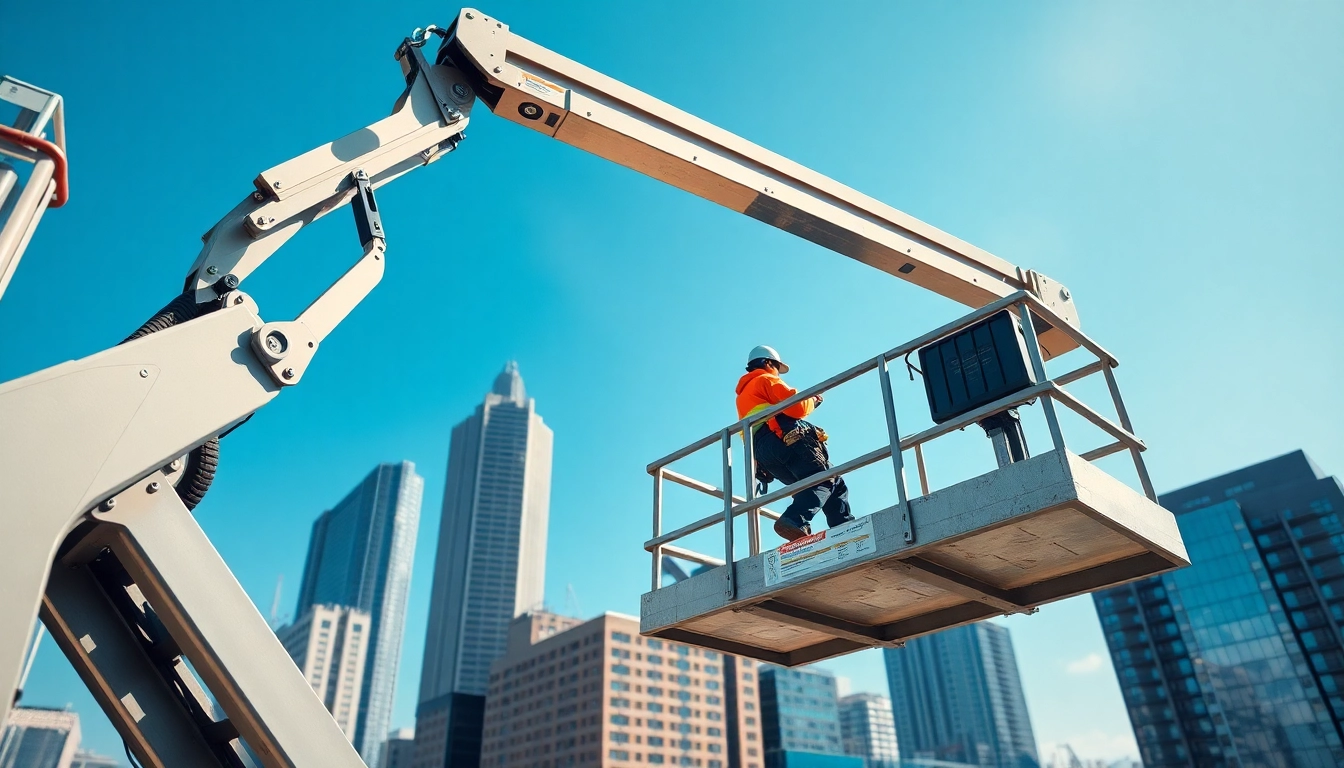
A cherry picker is defined as an aerial work platform used to elevate both workers and equipment for tasks at significant heights. The name comes from its original use in orchards to pick fruit, but it has diversified into various applications, including construction, maintenance, and installation. This equipment allows safe access to unreachable areas, minimizing the risk of accidents associated with height work.
Components of Cherry Picker Equipment
Cherry pickers are composed of several key components that contribute to their functionality:
- Base: The foundation of the cherry picker, which provides stability and support.
- Boom: A long extendable arm that can be adjusted to reach high locations.
- Platform/Bucket: The area where workers stand while elevated, designed to hold personnel and tools safely.
- Control System: Operates the movement of the boom and platform, ensuring precise control during use.
- Safety Features: Includes guardrails, harness points, and emergency stop mechanisms to protect operators.
Types of Cherry Pickers: An Overview
Cherry pickers come in various types, each designed for specific tasks and environments:
- Telescopic Boom Lift: Features a straight arm that extends vertically and horizontally, allowing for access over obstacles.
- Articulating Boom Lift: Equipped with segmented arms that can bend, providing access to challenging spaces.
- Scissor Lift: Offers a stable platform that rises vertically, ideal for tasks that require support over a wide area.
- Trailer-Mounted Cherry Picker: Compact and portable, designed for quick setup and flexibility on jobs requiring mobility.
Safety Measures When Using Cherry Pickers
Importance of Safety Training
Safety training is essential when operating a cherry picker, as it equips workers with the knowledge to avoid hazards. Proper training includes understanding the equipment’s controls, safety protocols, and potential risks involved in aerial work. Workers should also be familiar with fall protection techniques and emergency procedures, ensuring a safe working environment.
Mandatory Safety Equipment
Utilizing safety equipment is crucial for preventing accidents when using a cherry picker. Mandatory gear includes:
- Personal Protective Equipment (PPE): Hard hats, safety harnesses, and high-visibility clothing are essential.
- Guardrails: Installed on the platform to prevent falls.
- Harnesses and Lanyards: Should be worn by operators to secure them safely to the platform.
Common Safety Risks and How to Prevent Them
Several risks must be mitigated when working with cherry pickers:
- Tip-Over: Ensure the ground is stable and leveled before operation.
- Electrical Hazards: Maintain a safe distance from power lines when operating the equipment.
- Falls: Regularly inspect and use proper fall protection gear.
Advantages of Renting Cherry Picker Equipment
Cost-Effectiveness of Rentals
Renting a cherry picker can prove to be a cost-effective solution for businesses, especially for short-term projects. Instead of investing in costly equipment that may not be used frequently, businesses can rent cherry pickers tailored to their immediate needs, thus optimizing expenditures.
Maintenance-Free Usage
When renting a cherry picker, maintenance responsibilities often rest with the rental company rather than the user. This allows businesses to focus on their projects without worrying about upkeep, repairs, or compliance with regulations pertaining to machinery maintenance.
Flexibility for Short-Term Projects
Rentals provide the flexibility needed for short-term projects or specific tasks; it allows businesses to select the right equipment for varied situations without long-term commitment. Companies can swiftly adapt to changing project requirements, ensuring maximum efficiency and productivity.
How to Select the Right Cherry Picker
Evaluating Project Requirements
Before selecting a cherry picker, it's essential to clearly assess the project requirements. This includes understanding the type of work to be performed, the height needed, and the weight capacity required. An informed evaluation will help choose the appropriate cherry picker type that aligns with specific job demands.
Assessing Working Height and Reach
Every cherry picker has a defined maximum working height and reach, which are critical to evaluate based on project needs. A thorough assessment will help you choose a cherry picker that provides the necessary elevation without compromising safety.
Comparing Models and Features
Not all cherry pickers are created equal—different models may offer varying features, such as extension range, weight capacity, and platform size. Comparison of models based on their features can assist in finding the most suitable option for your project.
Frequently Asked Questions About Cherry Pickers
What tasks can be performed with a cherry picker?
Cherry pickers can safely perform tasks such as electrical maintenance, painting, tree trimming, and construction work at height.
How high can a cherry picker go?
The height capability of a cherry picker varies by model; some can reach heights between 30 to over 100 feet, depending on the type.
Are cherry pickers easy to operate?
With proper training, cherry pickers are generally user-friendly and can be operated by individuals with basic technical skills.
What are the common types of cherry pickers?
Common types include telescopic boom lifts, articulating boom lifts, scissor lifts, and trailer-mounted variants, each suited for specific tasks.
How often should cherry pickers be inspected?
Cherry pickers should be inspected regularly, ideally before each use, and undergo a thorough inspection at least once a year per safety regulations.
Contact Information
Call Us: 4062607988Address: 3906 MT-40, Columbia Falls, MT 59912